
 English
 中文简体
中文简体

1. The Anatomy of Durability: Weave Structures and Yarn Technologies in Tear Resistance Climbing Jackets Fabrics
This title delves into the science behind the fabric, explaining how weave structures like Ripstop and high-tenacity yarns (e.g., high-denier nylon) work in concert to create exceptional tear resistance.
Key Parameters & Company Integration
The exceptional durability required for climbing fabrics is not accidental; it is the result of meticulous material science and precision engineering. The core of this performance lies in the strategic combination of advanced yarns and specialized weave patterns. Green Textile & Galaxy Textile Co., Ltd. leverages its extensive production capabilities to master these technologies, ensuring fabrics that can be trusted in the most critical situations.
- Weave Structures: The architecture of the fabric is its first line of defense.
- Ripstop Weave: This technique incorporates a reinforcing grid of thicker, stronger yarns at regular intervals. If a tear begins, it is stopped by this grid, preventing it from spreading across the garment.
- Tight Plain or Twill Weaves: A high thread count creates a dense, robust fabric that is inherently more resistant to abrasion and the initiation of tears.
- Yarn Technology: The strength of the individual fibers is paramount.
- High-Tenacity Fibers: Using fibers like Nylon and Polyester with a high tenacity (strength-to-weight ratio) is fundamental. These fibers are specifically engineered to resist breaking under load.
- Green Textile's Expertise: With a core product focus on chemical fiber woven fabrics, the company has deep knowledge of how to select and process these high-performance yarns to achieve maximum durability.
- Production Capability: Consistency in producing these complex fabrics requires advanced manufacturing.
- Galaxy Textile's Infrastructure: The modern production base, Wujiang Galaxy Textile Co., Ltd., is equipped with more than 280 hydraulic looms. This allows for the precise tension and control needed to create tight, durable weaves consistently, with an annual production capacity of more than 16 million meters to guarantee delivery.
2. Beyond the Weave: The Critical Role of DWR Coatings and Laminate Membranes in Climbing Fabric Performance
This title expands the discussion beyond tear resistance to explain how Durable Water Repellent (DWR) coatings and laminate membranes work with the base fabric to provide comprehensive weather protection.
Key Parameters & Company Integration
A climbing jacket must protect its wearer from more than just physical abrasion; it must also guard against wind, rain, and snow. This is achieved by layering advanced chemical treatments onto the durable Tear Resistance Climbing Jackets Fabrics. Green Textile & Galaxy Textile Co., Ltd. integrates these finishing processes into its production, creating multi-functional textiles that perform in harsh weather.
- Durable Water Repellent (DWR): This is the first line of defense against precipitation.
- Function: A DWR is a polymer coating applied to the outer surface of the fabric. It causes water to bead up and roll off, preventing the fabric from becoming saturated and "wetting out," which would compromise breathability.
- Laminate Membranes: This layer provides the primary waterproof and breathable barrier.
- Function: A thin film (e.g., PTFE or PU) is laminated to the back of the face fabric. Its microscopic pores are small enough to block liquid water droplets from entering but large enough to allow water vapor (sweat) to escape, keeping the climber dry from both the inside and the outside.
- Integrated Production: Applying these finishes requires specialized equipment and expertise.
- Green Textile's Process: The company's focus on research, development, production and trading means it manages the entire value chain, from weaving the base fabric to applying the critical DWR and laminate coatings, ensuring quality control at every stage.
3. Balancing Strength and Weight: The Material Science Trade-offs in Developing High-Performance Climbing Textiles
This title focuses on a central challenge in textile engineering: how to achieve maximum strength while maintaining the lightest possible weight, which is crucial for climbers who carry their gear for long periods.
Key Parameters & Company Integration
For a climber, every gram counts. The ultimate goal is to create a fabric that offers the highest possible tear and abrasion resistance for the lowest possible weight. This involves a series of calculated trade-offs in material selection and construction. Green Textile & Galaxy Textile Co., Ltd. addresses this challenge by offering a diverse range of fabrics and leveraging its large-scale production to optimize this balance.
- Fiber Denier Selection: Denier refers to the thickness of the yarn.
- The Trade-off: Higher-denier yarns (e.g., 70D, 100D) are stronger and more abrasion-resistant but heavier. Lower-denier yarns (e.g., 20D, 30D) are lightweight but less durable. The choice depends on the intended use, from lightweight alpine climbing to rugged big wall ascents.
- Fiber Composition: The blend of materials impacts performance.
- Nylon vs. Polyester: Nylon is generally stronger and more abrasion-resistant, while polyester is more UV-stable and dries faster. Blends like Nylon Spandex can add stretch for increased mobility.
- Green Textile's Range: The company's core products include a wide variety of materials like Polyester, Polyester Spandex, Nylon, Nylon Spandex, allowing designers to select the optimal fabric for a specific weight-to-strength requirement.
- Production Efficiency: Large-scale production can help optimize the cost and availability of these specialized fabrics.
- Cost Leadership: With a production scale of more than 16 million meters, Green Textile can ensure that these high-performance, engineered fabrics are accessible, guaranteeing the cost leadership and delivery assurance of customer orders.
4. From Loom to Ledge: The Manufacturing Journey of Tear Resistance Climbing Jackets Fabrics
This title provides an end-to-end perspective, from yarn selection to weaving, finishing, and coating, showcasing the complex processes and quality control involved in manufacturing a top-tier climbing fabric.
Key Parameters & Company Integration
Creating a reliable climbing fabric is a journey that transforms raw synthetic fibers into a high-performance textile through a series of precise and controlled manufacturing steps. Each stage is critical to the final product's performance. Green Textile & Galaxy Textile Co., Ltd. controls this entire journey within its modern production facilities, ensuring quality from start to finish.
- Step 1: Yarn Selection & Preparation: The process begins with sourcing high-tenacity Polyester or Nylon yarns, which are then warped and prepared for the loom.
- Step 2: Weaving: The prepared yarns are woven on advanced looms into the desired structure, such as a ripstop or tight plain weave.
- Galaxy Textile's Looms: The use of more than 280 hydraulic looms ranging from 190cm to 230cm provides the versatility and precision needed to produce a wide range of fabric widths and complex patterns with high consistency.
- Step 3: Dyeing & Finishing: The greige (raw) fabric is dyed to the required color and then undergoes critical finishing processes.
- Key Finishes: This includes applying the Durable Water Repellent (DWR) coating and laminating the waterproof membrane. These steps are crucial for weather protection.
- Step 4: Quality Assurance: Throughout the process, rigorous testing is performed.
- Green Textile's Commitment: Since 2006, the company has been endeavored to make an excellent and unique brand, which is underpinned by a commitment to quality at every stage of production, from the loom to the final finished fabric.
5. A Specifier's Guide: Testing Standards and Key Performance Metrics for Evaluating Climbing Jacket Durability
This title provides a practical guide for professionals, such as product designers and procurement managers, introducing the international standards (e.g., ISO or ASTM test methods) used to measure fabric tear resistance, abrasion resistance, and other key performance indicators.
Key Parameters & Company Integration
For professionals who specify materials for high-performance outdoor gear, relying on verifiable data is non-negotiable. The performance of Tear Resistance Climbing Jackets Fabrics is quantified using standardized testing methods that provide objective metrics for comparison. A reliable manufacturing partner must understand and consistently meet these standards. Green Textile & Galaxy Textile Co., Ltd. operates with this data-driven approach to quality.
- Tear Strength Testing (ASTM D2261 / ISO 13937-2): This test measures the force required to propagate a tear in a fabric.
- What it Means: A higher value (measured in Newtons or pounds-force) indicates a more tear-resistant fabric. This is a critical safety metric for climbing applications.
- Abrasion Resistance Testing (Martindale / ASTM D4966): This test simulates wear and tear by rubbing the fabric against a standard abrasive surface.
- What it Means: The result is the number of cycles until the fabric wears out or a hole appears. A higher cycle count signifies better durability against friction from rock and gear.
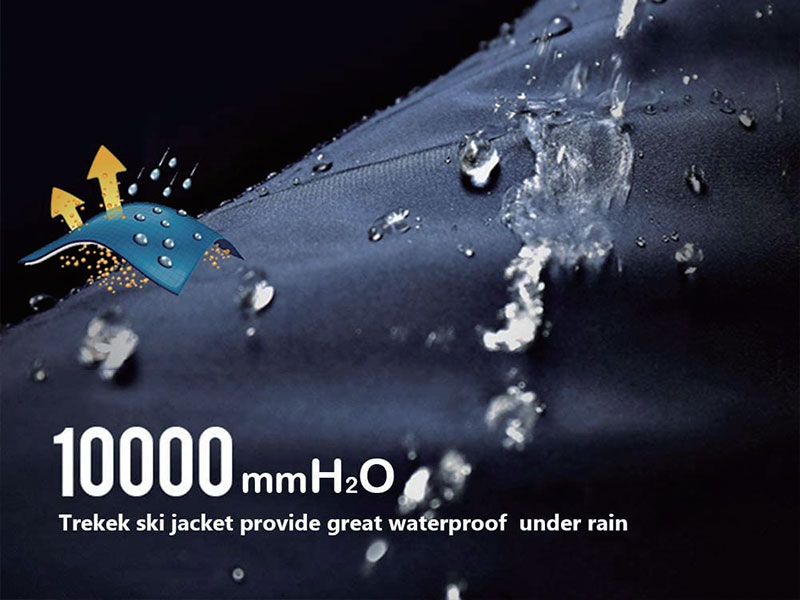
- Waterproofness Testing (ISO 811 / JIS L1092): This measures the hydrostatic pressure a waterproof fabric can withstand before leaking.
- What it Means: Expressed in millimeters (e.g., 20,000mm), a higher number indicates a more waterproof fabric, essential for harsh weather conditions.
- Breathability Testing (ISO 11092 / ASTM E96): This measures how effectively water vapor can pass through the fabric.
- What it Means: Usually expressed in g/m²/24h, a higher value means the fabric is more breathable, keeping the wearer comfortable during exertion.
- Commitment to Standards: A manufacturer's ability to consistently produce fabric that meets these test parameters is a sign of a mature and capable operation.
- Green Textile's Assurance: By operating a large-scale, modern production base, the company ensures its fabrics not only meet but can be consistently produced to the rigorous specifications required by international brands, guaranteeing delivery assurance for performance-critical orders.


.png)


