
 English
 中文简体
中文简体Content
- 1 The Ultimate Guide to Staying Dry
- 2 Decoding Performance: Finding the best waterproof breathable jacket fabric
- 3 Beyond the Big Name: Exploring a gore-tex alternative fabric
- 4 The Science of Layers: 3 layer waterproof jacket fabric construction
- 5 The First Line of Defense: Understanding waterproof jacket fabric DWR coating
- 6 Restore and Protect: how to reproof a waterproof jacket
- 7 Final Verdict: Selecting Your Perfect Waterproof Fabric
- 8 FAQ
The Ultimate Guide to Staying Dry
Choosing the right outdoor gear can feel as complex as planning the expedition itself, and few decisions are as critical as selecting your outer layer. The Waterproof Jacket Fabric you choose acts as your personal barrier against the elements, determining whether you stay comfortably dry or end up cold, wet, and miserable. But the world of waterproof fabrics is a dense forest of technical terms, proprietary technologies, and performance ratings. From legendary membranes to innovative coatings, understanding the science behind the shell is the key to making an informed investment. This guide is your definitive resource, designed to demystify the technology and empower you to choose the perfect jacket for your needs. We will explore how to identify the best waterproof breathable jacket fabric, investigate high-performing gore-tex alternative fabric options, break down the common 3 layer waterproof jacket fabric construction, and explain the crucial role of a waterproof jacket fabric DWR coating. Finally, we'll provide a masterclass on how to reproof a waterproof jacket, ensuring your investment delivers peak performance for years to come.
Decoding Performance: Finding the best waterproof breathable jacket fabric
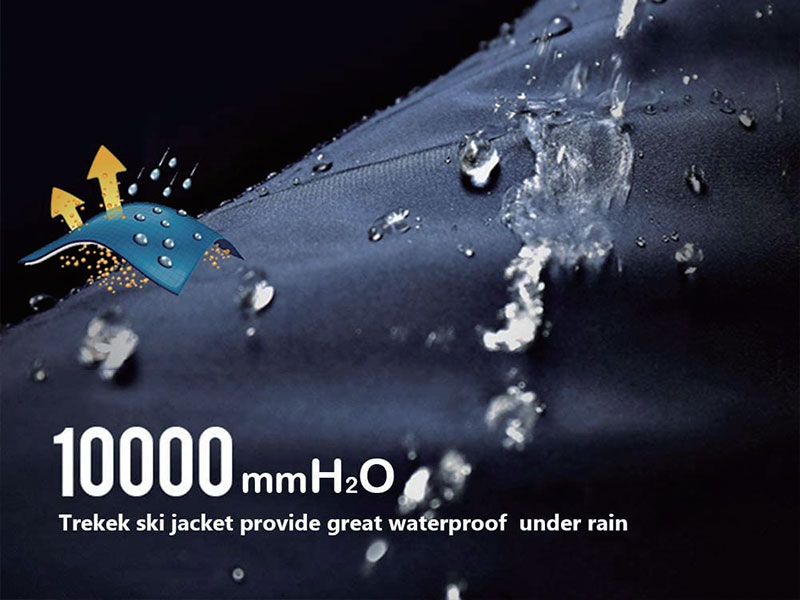
The holy grail of Waterproof Jacket Fabric technology is the perfect balance between two opposing forces: keeping external water out while allowing internal moisture vapor to escape. This is the essence of waterproofing and breathability. A completely waterproof but non-breathable jacket, like a plastic bag, would soon have you drenched from your own sweat. Conversely, a highly breathable but non-waterproof jacket would offer no protection from rain. The best waterproof breathable jacket fabric masterfully navigates this trade-off. The core of this technology lies in a microscopic membrane or coating that has pores too small for liquid water droplets to penetrate from the outside, yet large enough for water vapor molecules (sweat) to pass through from the inside. The effectiveness of this system is measured in two key ratings: waterproofing, measured in millimeters of hydrostatic head (e.g., 10,000mm), and breathability, often measured in grams of water vapor per square meter per 24 hours (gm²/24h). Understanding these numbers is the first step to selecting a fabric that matches your activity level and the conditions you'll face.
Understanding Waterproofing and Breathability Ratings
These numbers are your guide to a fabric's performance potential.
- Waterproof Rating (mm): This indicates how much water pressure the fabric can withstand before it leaks. A 10,000mm rating means a 10-meter column of water could be placed on the fabric before it would permeate. For general rain, 5,000-10,000mm is often sufficient, while for heavy downpours or high-altitude use, 20,000mm or more is recommended.
- Breathability Rating (gm²/24h): This measures how many grams of sweat vapor can pass through a square meter of the fabric over a 24-hour period. Higher numbers indicate better breathability. A rating of 5,000-10,000g is good for moderate activity, while 15,000g or more is ideal for high-intensity pursuits like running or climbing.
Membranes vs. Coatings: The Core Technology
The waterproof-breathable element is either a membrane or a coating.
- Membranes: These are thin, microporous films, typically made from ePTFE (expanded polytetrafluoroethylene) or polyurethane (PU). They are laminated to a face fabric. They are generally more durable and offer higher, more consistent performance.
- Coatings: These are liquid applications of a microporous polyurethane layer directly onto the inside of the face fabric. Coatings are less expensive to produce and can be very effective, though their breathability may diminish over time more quickly than a membrane.
Matching Fabric to Activity Level
Your intended use is the most important factor in choosing the right fabric.
- High-Intensity Activity (e.g., trail running, mountaineering): Prioritize high breathability (15,000g+) to manage sweat, with solid waterproofing (15,000mm+).
- Moderate Activity (e.g., hiking, skiing): A balanced approach is best. Look for fabrics with ratings around 10,000mm for waterproofing and 10,000g for breathability.
- Low-Intensity/Urban Use (e.g., commuting, walking the dog): Waterproofing is more critical than high breathability. A fabric with 10,000mm+ waterproofing and moderate breathability (5,000-8,000g) will be comfortable and cost-effective.
Balancing Price and Performance
Generally, higher performance comes with a higher price tag. Premium membranes with top-tier ratings are more expensive. However, for many users, a mid-range fabric with a PU coating or a proprietary membrane offers an excellent balance of performance, durability, and value. It's about finding the sweet spot where the fabric's capabilities meet your needs without paying for performance you won't use.
Beyond the Big Name: Exploring a gore-tex alternative fabric
For decades, one name has been synonymous with waterproof technology, but the landscape is now rich with high-performing competitors. Exploring a gore-tex alternative fabric is no longer about settling for less; it's about finding a specialized solution that may offer better value, unique features, or performance characteristics tailored to specific activities. Many leading outdoor brands have invested heavily in developing their own proprietary membranes, creating fabrics that rival, and in some cases surpass, the industry standard in specific metrics. These alternatives often provide excellent waterproofing and breathability at a more accessible price point. Furthermore, the market for budget-friendly PU-coated fabrics has matured, offering reliable protection for those who don't require the absolute pinnacle of performance. This diversification is a huge win for consumers, as it provides a wider spectrum of choices to perfectly match their budget and their adventures. Understanding these alternatives allows you to look beyond the most familiar logo and select a jacket based purely on its technical merits.
Why Look Beyond Gore-Tex?
Several compelling reasons drive consumers to explore alternatives.
- Cost-Effectiveness: Alternatives often provide similar performance metrics for a lower retail price.
- Brand-Specific Innovation: Brands engineer their fabrics to complement their specific garment designs and intended uses, leading to highly optimized systems.
- Softness and Feel: Some alternatives prioritize a softer, quieter, or more comfortable hand-feel.
- Sustainability: Some newer alternatives focus on eco-friendly manufacturing processes or recycled materials.
Proprietary Membranes from Major Brands
Most major outdoor companies now have their own in-house fabric technology.
- These are often multi-layer PU-based membranes designed in-house.
- They are typically fine-tuned for the brand's core activities, whether that's mountaineering, skiing, or fast-and-light hiking.
- They offer excellent performance and are backed by the brand's reputation for quality.
Budget-Friendly Polyurethane (PU) Options
For less demanding applications, PU-coated fabrics are a fantastic and economical choice.
- They use a microporous polyurethane coating applied directly to the back of the face fabric.
- While historically less breathable than high-end membranes, modern PU coatings have improved dramatically.
- They are perfect for activities where breathability is less of a concern than reliable waterproofing, such as fishing or spectator sports.
A Head-to-Head Comparison of Alternatives
Here's a simplified look at how different fabric types stack up.
| Fabric Type | Pros | Cons |
| Premium ePTFE Membrane | Extremely durable, top-tier and consistent breathability, excellent waterproofing. | Most expensive option. |
| Proprietary PU Membrane | Excellent balance of performance and price, often very soft and quiet. | Breathability may not be as high as top-tier ePTFE over the very long term. |
| PU Coating | Very affordable, reliable waterproofing for casual use. | Breathability is lower, performance can degrade faster than laminated membranes. |
The Science of Layers: 3 layer waterproof jacket fabric construction
The durability, feel, and performance of a Waterproof Jacket Fabric are not just about the membrane; they are defined by how the fabric is constructed. The 3 layer waterproof jacket fabric construction represents the gold standard for durability and performance in demanding conditions. This construction method bonds three distinct layers into a single, robust material: the outer face fabric, the waterproof-breathable membrane, and a protective inner lining. Each layer has a specific, critical job. The face fabric, typically a high-denier nylon or polyester, provides abrasion resistance against rocks, tree branches, and backpack straps. The middle layer is the waterproof-breathable membrane that does the core work of keeping you dry. The innermost layer, often a fine-knit fabric or a scrim, protects the delicate membrane from wear and tear from the inside and wicks moisture away from your skin. This lamination process creates a cohesive unit that is highly durable, comfortable against the skin, and built to withstand the rigors of serious outdoor use.
Deconstructing the 3-Layer System
Let's break down the role of each individual layer.
- Layer 1: Outer Face Fabric: This is the exterior you see. It's treated with a waterproof jacket fabric DWR coating and is engineered for strength and durability.
- Layer 2: The Membrane: This is the heart of the fabric, the thin waterproof-breathable film that blocks rain but lets sweat escape.
- Layer 3: Inner Protective Layer: This layer is bonded directly to the membrane, protecting it from body oils, dirt, and abrasion from the inside of the jacket.
Comparing 2-Layer vs. 3-Layer vs. 2.5-Layer
Understanding the differences between fabric constructions is key to choosing the right jacket.
| Construction Type | Structure | Best For |
| 2-Layer | Face fabric + free-hanging membrane. Often has a separate mesh or fabric lining. | General use, less expensive jackets. The separate lining can feel comfortable but adds bulk. |
| 3-Layer | Face fabric + membrane + bonded protective inner layer. | High-intensity activities, serious mountaineering, and any use where durability and low weight are paramount. |
| 2.5-Layer | Face fabric + membrane + a thin printed or coated protective pattern (instead of a full layer). | Lightweight hiking and running. It's lighter and more packable than 3-layer but can feel slightly clammy against bare skin. |
The Role of the Inner Protective Layer
In a 3-layer fabric, this inner layer is what makes the system so durable. Without it, the membrane would be exposed to friction from your base layers and contamination from body oils and sweat, which would clog its pores and cause it to fail. The bonded inner layer ensures the membrane's longevity and consistent performance over the life of the jacket.
When to Choose Each Construction Type
Your choice should align with your activity and priorities.
- Choose 3-Layer for: Alpine climbing, backcountry skiing, and any activity where you are wearing a heavy pack or moving through rugged terrain. It's the most durable and reliable option.
- Choose 2.5-Layer for: Fast-paced hiking, trail running, and adventure racing where weight and packability are more important than long-term abrasion resistance.
- Choose 2-Layer for: Casual hiking, travel, and everyday use. It offers great protection and comfort at a more accessible price point.
The First Line of Defense: Understanding waterproof jacket fabric DWR coating
Imagine a waterproof-breathable membrane as a fine screen. It works perfectly to let vapor out, but if water can soak into the outer fabric, it blocks the screen's pores, preventing breathability and making you feel cold and clammy. This is where the waterproof jacket fabric DWR coating comes in. DWR stands for Durable Water Repellent, and it's a critical treatment applied to the very outer surface of your jacket. This invisible coating is hydrophobic, meaning it causes water to bead up and roll off the fabric before it has a chance to be absorbed. It's the first line of defense, working in tandem with the membrane underneath. A healthy DWR finish is essential for a jacket to perform as intended. When you see water beading up on your jacket, that's the DWR at work. Over time, through exposure to dirt, oils, and abrasion, this coating wears off. When water stops beading and starts to wet out (soaking into the face fabric), your jacket's breathability will plummet, even if the waterproof membrane itself is still perfectly intact. Understanding and maintaining your DWR is therefore crucial for the overall performance of your waterproof gear.
What is a Durable Water Repellent (DWR)?
DWR is a polymer-based treatment applied to the outer fabric. It works by lowering the surface energy of the fabric fibers, making them hydrophobic. This causes water droplets to form into tight beads with a high surface tension, which are then easily shed by gravity or a light shake.
How DWR Works with the Underlying Membrane
The DWR and membrane form a two-part system. The DWR handles the external water, while the membrane handles any water that gets past and the internal moisture vapor. If the DWR fails and the face fabric wets out, it creates a barrier for sweat vapor, effectively "turning off" the jacket's breathability. You might not get wet from the rain outside, but you'll get wet from the sweat inside.
Signs Your DWR is Wearing Off
The test is simple: observe how water interacts with your jacket's surface.
- Healthy DWR: Water forms distinct, round droplets that roll easily off the surface.
- Failing DWR: Water starts to spread out, soaking into the fabric instead of beading up. The fabric may appear dark or wet in patches.
- Failed DWR: The fabric wets out completely, absorbing water as if it were a normal piece of nylon or polyester.
How to Reactivate DWR at Home
Before reapplying, you can often restore the DWR's performance with heat.
- Washing: First, wash the jacket with a specialized technical cleaner to remove dirt and oils that are masking the DWR.
- Heat: After washing, tumble dry the jacket on a low or medium heat setting. The heat helps redistribute the DWR polymers on the surface of the fabric.
- Ironing: An alternative is to iron the jacket on a low-heat setting (no steam) with a towel between the iron and the fabric.
Restore and Protect: how to reproof a waterproof jacket
Even with regular care, the DWR coating on your jacket will eventually need to be replenished. Learning how to reproof a waterproof jacket is a fundamental skill for any outdoor enthusiast, as it can restore a tired, wetting-out jacket to near-original performance. Reproofing is the process of cleaning the jacket and then applying a new DWR treatment to the outer fabric. This is not about fixing a leak in the membrane; it's about restoring the beading, water-shedding properties of the face fabric. The process is straightforward and can be done at home with the right products. You have two main options for application: a wash-in reproofer or a spray-on reproofer. Each has its advantages, and the choice depends on your preference and the jacket's specific construction. By incorporating reproofing into your regular gear maintenance schedule, you can significantly extend the life and performance of your waterproof jacket, ensuring it remains a reliable piece of equipment for countless adventures to come.
When is Reproofing Necessary?
Reproofing is needed when washing and heat activation no longer restore the water-beading effect. If your jacket consistently wets out during use, it's time for a full reproofing treatment. As a general rule, this might be necessary once per season for heavily used garments.
Step-by-Step Guide to Washing and Reproofing
Follow these steps for the best results.
- Step 1: Clean the Jacket. Close all zippers and pockets. Wash the jacket in a front-loading washing machine on a gentle cycle with warm water and a dedicated technical fabric cleaner. Never use regular detergents, fabric softeners, or bleach.
- Step 2: Rinse Thoroughly. Run an extra rinse cycle to ensure all soap residue is removed.
- Step 3: Apply the Reproofer. Follow the instructions on your chosen product. For spray-on, apply to the clean, damp garment. For wash-in, add it to the machine's dispenser for a second cycle.
- Step 4: Activate with Heat. This is a critical step. Tumble dry the jacket on a medium heat setting, or iron it on low with a protective towel. This heat bonds the new DWR to the fabric fibers.
Choosing the Right Reproofer: Spray-On vs. Wash-In
The application method you choose can have different effects.
| Application Type | Pros | Cons |
| Spray-On | Puts DWR only on the outside, where it's needed. Preserves the breathability of the inner membrane and lining. | Requires more careful application to ensure even coverage. Can be slightly more work. |
| Wash-In | Very easy and convenient to apply. Ensures thorough coverage. | Can potentially coat the inside of the garment, which some argue may slightly hinder the membrane's breathability over time. |
Common Mistakes to Avoid
Avoid these pitfalls to protect your jacket.
- Using Regular Detergent: It leaves residues that attract water and clog the membrane.
- Skip the Heat Step: Without heat activation, the new DWR will not bond properly and will be ineffective.
- Using High Heat: Excessive heat can damage the fabric and the membrane. Always stick to low or medium settings.
Final Verdict: Selecting Your Perfect Waterproof Fabric
Navigating the world of Waterproof Jacket Fabric is about matching technology to your lifestyle. There is no single "best" fabric, only the best fabric for you. If you are a serious alpinist facing harsh, unpredictable conditions, a 3-layer jacket with a high-performance membrane is a justifiable investment. If your adventures are weekend hikes in variable weather, a 2.5-layer jacket with a proprietary PU membrane offers a fantastic balance of weight, breathability, and protection. And for daily commutes or casual walks, a reliable 2-layer or PU-coated jacket provides all the waterproofing you need at a great value. Remember that the fabric's performance is a system, combining the membrane, the waterproof jacket fabric DWR coating, and the construction. And finally, recognize that you are a partner in this system; knowing how to reproof a waterproof jacket is essential for maintaining its performance. By understanding these elements, you are now equipped to cut through the marketing jargon and choose a jacket that will keep you dry, comfortable, and ready for whatever adventure lies ahead.
Recap: Matching Fabric to Your Needs
Let your activity guide your choice. For high-output, rugged pursuits, prioritize 3-layer construction and top-tier breathability. For lightweight hiking, choose 2.5-layer. For casual use, a 2-layer or PU-coated jacket is perfect. Always consider the balance of waterproofing, breathability, and durability that fits your specific needs.
Your Next Steps to a Dryer Adventure
With this knowledge, you can confidently evaluate jackets. Look at the construction type, check the waterproof and breathability ratings, and consider the brand's proprietary technology. Invest in a technical cleaner and reproofer from day one to protect your purchase. Your perfect waterproof jacket is out there, waiting to be found.
FAQ
Is a higher waterproof rating always better?
Not necessarily. While a higher rating (e.g., 30,000mm) indicates superior resistance to water pressure, it may be overkill for your needs. A jacket with 20,000mm waterproofing is more than capable of handling the heaviest rainstorms you'll encounter. Often, fabrics with extremely high waterproof ratings can sacrifice some breathability. For most users, a jacket in the 10,000-20,000mm range offers the best practical balance of protection and comfort. It's more important to focus on the breathability rating that matches your activity level and to maintain the DWR coating.
Can I use a normal washing machine to wash my waterproof jacket?
Yes, but with important caveats. You must use a front-loading washing machine. Top-loading machines with a central agitator can stress and tear the fabric and delicate membrane. Always use a gentle cycle, warm water, and a specialized technical cleaner. Never use regular detergent, bleach, or fabric softener, as these will clog the pores of the membrane and strip the DWR coating, ruining the jacket's performance.
What's the difference between "waterproof" and "water-resistant"?
This is a crucial distinction. "Water-resistant" fabrics are treated with a DWR coating to shed light rain and snow, but they do not have a waterproof membrane. Under prolonged or heavy precipitation, they will eventually wet out. "Waterproof" fabrics have both a DWR coating and an integrated waterproof-breathable membrane or coating that is designed to stop liquid water from penetrating completely, even under pressure. For serious outdoor activities, you always want a waterproof garment.
How often should I wash my waterproof jacket?
Wash your jacket whenever it gets visibly dirty or when you notice the DWR coating starting to fail (water stops beading). Dirt, body oils, and sweat are the primary enemies of a waterproof membrane's breathability. A clean jacket is a high-performing jacket. For heavy users, this could be every few weeks during the season. For occasional users, a wash at the beginning and end of the season might be sufficient. Always wash before reproofing.




.png)


