
 English
 中文简体
中文简体

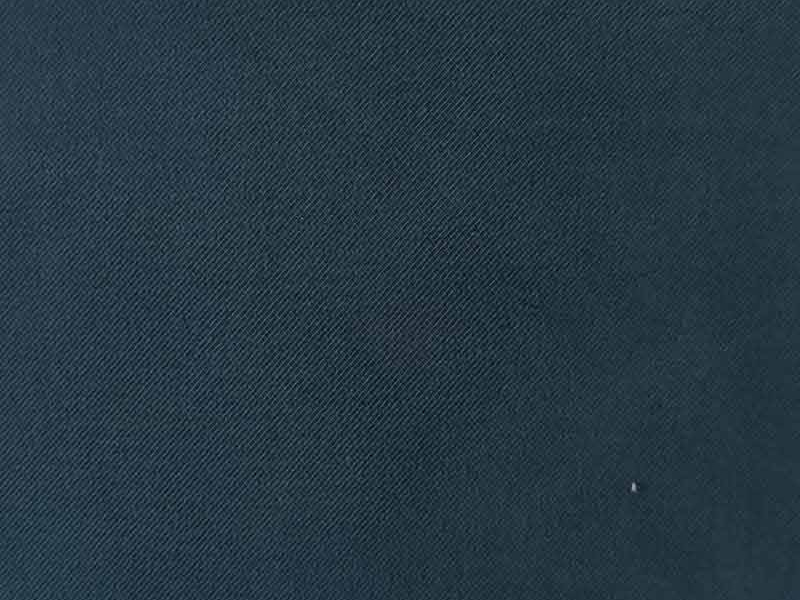

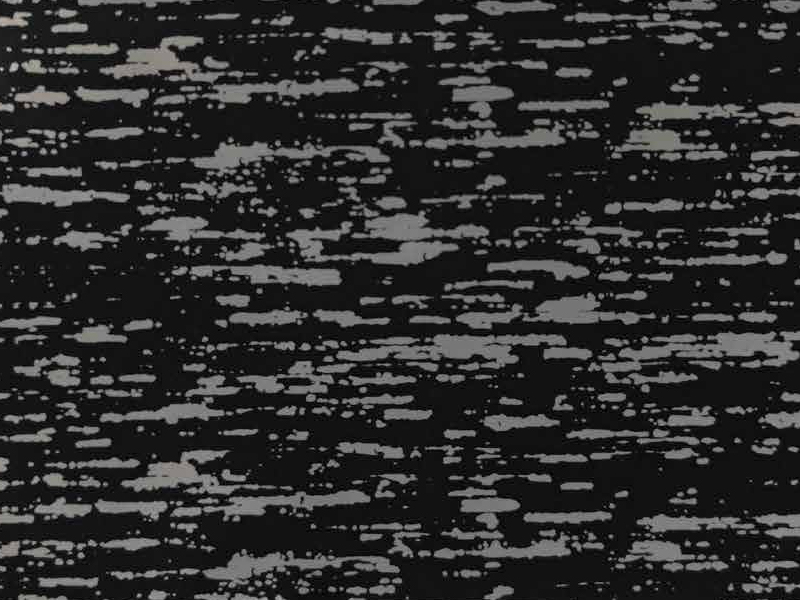





What are the key technological and material considerations that define high-performance waterproof jacket fabric?
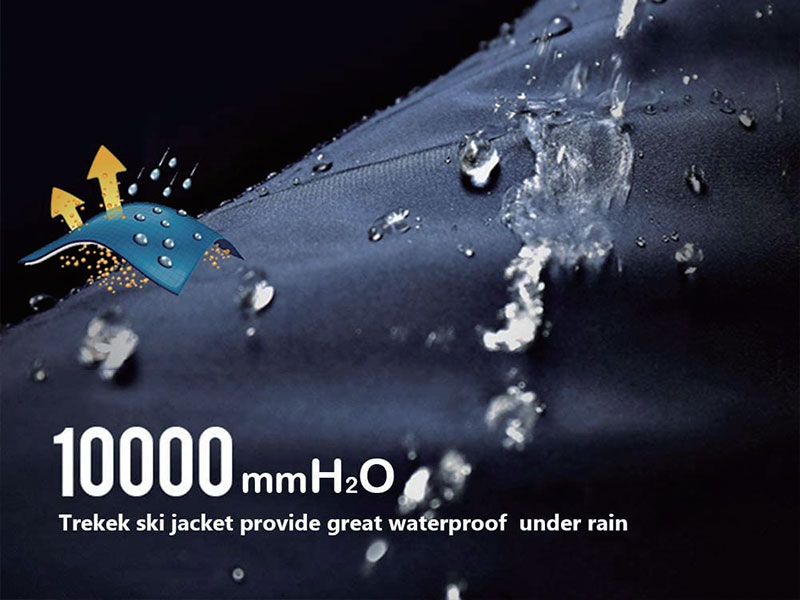
In the rapidly evolving textile industry, waterproof jacket fabric has emerged as a critical segment for outdoor apparel, sportswear, and professional uniforms. These fabrics are engineered not only to prevent water penetration but also to provide breathability, durability, and comfort, addressing the needs of both consumers and industrial users. The fundamental principle behind waterproof fabrics lies in combining a dense textile structure with chemical coatings or laminates that repel water while allowing moisture vapor to escape.
Material Composition and Selection
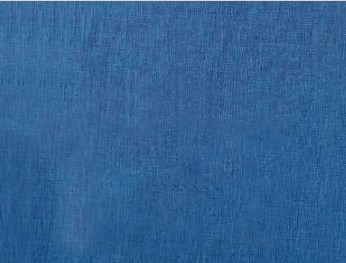
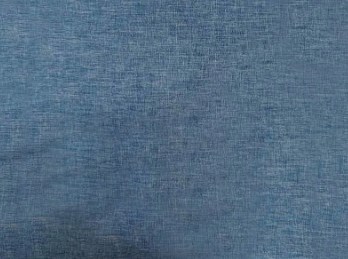
The selection of base materials plays a pivotal role in the performance of waterproof jacket fabrics. High-quality fabrics often utilize chemical fiber woven structures, including Polyester, Polyester Spandex, Polyester Cation, Nylon, Nylon Spandex, and Nylon Cotton blends. Each material contributes unique properties: Polyester offers excellent strength and resistance to stretching, while Nylon enhances abrasion resistance. Spandex blends add elasticity, improving wearer comfort and flexibility. These fibers are often treated with hydrophobic coatings or laminated with breathable membranes to achieve waterproof functionality without compromising flexibility.
Fabric Structure and Weaving Techniques
The weaving technique directly affects water resistance and durability. Tight plain weaves, twills, or satin weaves are commonly employed to create a dense surface that reduces water penetration. Green Textile & Galaxy Textile Co., Ltd. employs advanced weaving technology, including hydraulic looms ranging from 190 cm to 230 cm, enabling precise control over yarn density and fabric evenness. Such structural optimization ensures the fabric maintains both waterproof performance and mechanical strength over extended use.
Waterproofing Technologies
There are multiple methods to render a fabric waterproof, including coating, lamination, and surface treatments:
- Polyurethane (PU) Coating: Applied to the fabric surface, PU provides a waterproof layer while retaining moderate breathability. PU coatings are widely favored for lightweight jackets and packable garments.
- Polyvinyl Chloride (PVC) Lamination: PVC creates a fully impermeable barrier but may compromise breathability, making it suitable for heavy-duty rainwear.
- Durable Water Repellent (DWR) Finishes: DWR treatments enhance surface water repellency, causing water to bead and roll off. While DWR does not fully prevent water penetration under pressure, it significantly improves everyday water resistance.
- Microporous Membranes: These membranes provide a combination of waterproofing and breathability, essential for high-performance outdoor apparel.
Customization and R&D in Waterproof Fabrics
A critical trend in the industry is customization, allowing textile manufacturers to tailor fabrics according to specific product designs or performance requirements. Green Textile & Galaxy Textile Co., Ltd. exemplifies this approach through a robust R&D team capable of developing fabrics based on customer drawings or samples. This enables manufacturers to optimize the balance between waterproofing, breathability, hand feel, and mechanical properties, providing a tailored solution for different market segments.
Service and Supply Chain Considerations
Beyond material innovation, the efficiency of the supply chain significantly impacts product delivery and cost management. Green Textile & Galaxy Textile Co., Ltd. has an annual production capacity of over 16 million meters, enabling it to maintain a cost advantage while ensuring timely delivery. Comprehensive services, including fabric cutting, inspection, and packaging, further enhance the value proposition for apparel brands seeking high-quality waterproof fabrics.
Durability, Maintenance, and User Considerations
Waterproof jacket fabrics must withstand repeated wear, washing, and environmental stress. Factors affecting longevity include abrasion resistance, seam strength, and the retention of water-repellent coatings. For instance, fabrics incorporating Nylon Spandex blends offer superior stretch recovery and tear resistance, while Polyester-based fabrics maintain colorfastness and dimensional stability. Educating end-users about care, such as avoiding harsh detergents or high-temperature drying, can preserve waterproof properties and extend the lifespan of garments.
Sustainability and Eco-Friendly Trends
The contemporary textile market increasingly values sustainability. Manufacturers are exploring eco-friendly water-repellent treatments, recycled fibers, and energy-efficient production processes. This trend aligns with growing consumer awareness and regulatory pressures, making it an important consideration in the development of next-generation waterproof jacket fabrics.
Transport, Cost, and Global Market Dynamics
Logistics and cost management remain vital. Efficient transportation networks and economies of scale contribute to competitive pricing without compromising quality. Green Textile’s extensive production infrastructure allows for optimized delivery schedules and cost-effective distribution, ensuring that waterproof fabrics reach global markets efficiently. Additionally, strategic investments in high-capacity looms and advanced production channels reduce lead times and production bottlenecks.
Conclusion
The evolution of waterproof jacket fabric represents a convergence of advanced materials, weaving technologies, coating innovations, and supply chain excellence. High-performance fabrics must balance waterproofing, breathability, durability, and user comfort.


.png)


