
 English
 中文简体
中文简体






How Insulation and Breathability Impact Keep Warm Skiing Pants Performance
When choosing fabrics for keep warm skiing pants, two critical factors directly influence performance: insulation and breathability. Both determine how effectively the pants maintain body warmth while allowing moisture and heat to escape during physical activity.
1. Insulation: Retaining Body Heat
Insulation refers to the fabric’s ability to trap air and retain body heat. High-quality skiing pants fabrics achieve this through multi-layer structures or specialized fiber fillings. Fabrics with polyester or nylon bases, often combined with spandex or cotton blends, provide excellent thermal retention while remaining lightweight. Proper insulation ensures skiers stay warm in extreme cold without the bulk that limits mobility.
2. Breathability: Moisture and Heat Management
Breathability is equally important. During skiing, the body generates sweat that must be efficiently expelled to avoid dampness and discomfort. Fabrics with good moisture-wicking properties allow sweat to pass from the inner layer to the outer surface, maintaining dryness and preventing chilling. Polyester cation or nylon spandex fabrics are commonly used for this purpose due to their superior wicking and quick-drying capabilities.
3. Balancing Insulation and Breathability
The challenge in skiing pant design is balancing insulation with breathability. Excess insulation without adequate ventilation can cause overheating and moisture buildup, while high breathability without enough insulation may result in cold exposure. Modern textile innovations often combine multiple fiber types, coatings, and weaves to optimize both properties.
4. Green Textile’s Capabilities
Green Textile, founded in 2006 in the historic “Silk Capital,” specializes in chemical fiber woven fabrics suitable for high-performance skiing pants. Their core products include Polyester, Polyester Spandex, Polyester Cation, Nylon, Nylon Spandex, and Nylon Cotton. With a modern production base of over 6,000 square meters and more than 280 hydraulic looms, Green Textile ensures high-quality fabric production with a balance of insulation and breathability. Their fabrics are designed to deliver both warmth retention and moisture management, meeting the demands of professional winter sportswear.
5. Key Fabric Parameters for Skiing Pants
| Parameter | Typical Range / Feature | Impact on Performance |
|---|---|---|
| Fabric Type | Polyester, Nylon, Spandex blends | Provides flexibility, durability, and thermal retention |
| Insulation | 60–120 g/m² synthetic filling | Retains body heat without excess bulk |
| Breathability | 5,000–10,000 g/m²/24h (MVTR) | Ensures moisture wicking and comfort during activity |
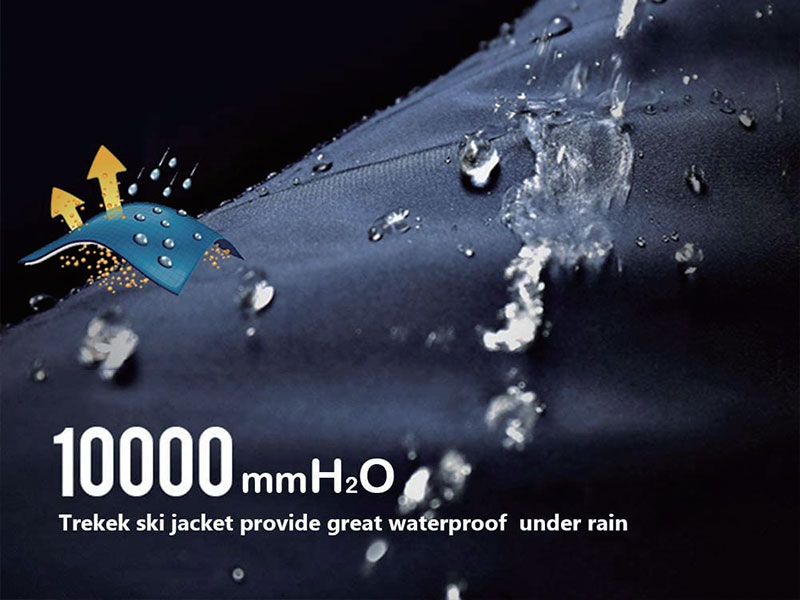
| Water Resistance | 3,000–10,000 mm (water column) | Protects against snow and light rain while maintaining breathability |
| Stretch | 10–20% (spandex blends) | Enhances mobility and fit for active movement |
By carefully selecting fabrics with the right combination of insulation, breathability, and stretch, skiing pants can maintain optimal performance, ensuring skiers remain warm, dry, and comfortable throughout their activities.
Comparing Synthetic vs. Natural Fabrics in Keep Warm Skiing Pants
When it comes to designing keep warm skiing pants, the choice between synthetic and natural fabrics plays a crucial role in performance, comfort, and durability. Each type of fabric has distinct advantages and limitations that influence insulation, moisture management, and overall wear experience.
1. Synthetic Fabrics
Synthetic fabrics, such as polyester, nylon, and their blends with spandex, are widely used in skiing pants for several reasons:
- Insulation Efficiency: Many synthetic fibers can trap air effectively, providing excellent warmth without adding bulk. Some fabrics also incorporate specialized hollow fibers or microfleece layers to enhance thermal retention.
- Moisture Wicking and Quick Drying: Synthetics excel at drawing sweat away from the skin and drying rapidly, keeping the wearer dry and comfortable during intense activity.
- Durability and Stretch: Synthetic fabrics resist abrasion, tearing, and stretching, making them ideal for active sports where frequent movement and friction occur.
- Lightweight: These fabrics can provide warmth without excessive weight, allowing for better mobility on slopes.
Limitations: Some synthetic fabrics may trap odors over time or feel less breathable if improperly designed.
2. Natural Fabrics
Natural fabrics, including wool and cotton, offer unique qualities that appeal to certain users:
- Natural Insulation: Wool, in particular, provides excellent thermal regulation by retaining heat even when damp. Cotton can feel soft and comfortable against the skin.
- Breathability: Natural fibers generally allow air circulation, which helps reduce overheating during moderate activity.
- Comfort: Many skiers prefer the soft, tactile feel of natural fibers for inner layers or casual winter wear.
Limitations: Cotton absorbs moisture and dries slowly, which can lead to chilling in cold conditions. Wool is warmer but heavier and often more expensive than synthetic alternatives.
3. Choosing the Right Fabric
The choice between synthetic and natural fabrics depends on the intended use and environmental conditions:
- Extreme Cold and High Activity: Synthetic fabrics are often preferred for outer layers due to their superior insulation-to-weight ratio and moisture management.
- Moderate Cold and Comfort Focus: Natural fabrics can be used as inner layers or blended with synthetics for a balance of warmth, softness, and breathability.
In modern skiing pant design, many manufacturers combine synthetic and natural fibers to leverage the strengths of both, creating garments that are warm, breathable, and comfortable for various winter sports conditions.


.png)


