
 English
 中文简体
中文简体



Comparing Synthetic vs. Natural Fabrics for Light Running Joggers
When it comes to light running joggers, the choice of fabric significantly impacts performance, comfort, and durability. Broadly, fabrics can be categorized into synthetic and natural types, each offering unique benefits and considerations.
Synthetic Fabrics
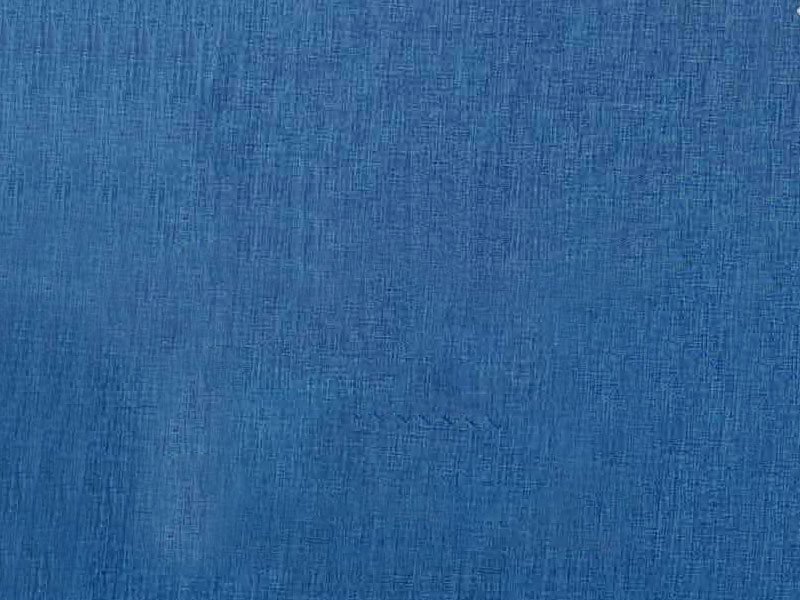
Synthetic fabrics, such as polyester, nylon, and their blended variants, are widely used in performance athletic wear. They are engineered to provide excellent moisture-wicking, breathability, stretch, and durability. For light running joggers, these properties ensure that athletes remain dry and comfortable while maintaining freedom of movement.
Green Textile specializes in chemical fiber woven fabrics, including:
- Polyester
- Polyester Spandex
- Polyester Cation
- Nylon
- Nylon Spandex
- Nylon Cotton
These fabrics are produced at the company's modern facility covering over 6,000 square meters, equipped with 280 hydraulic looms, achieving an annual production of more than 16 million meters. This scale allows for cost-effective solutions and reliable delivery for bulk orders.
Natural Fabrics
Natural fabrics, such as cotton, bamboo, and wool, are appreciated for their softness, breathability, and skin-friendly properties. Cotton joggers are highly comfortable and provide a classic feel, but they tend to retain moisture and may take longer to dry, which can be a disadvantage during intense running sessions.
Performance Comparison Table
| Feature | Synthetic Fabrics | Natural Fabrics |
|---|---|---|
| Moisture-Wicking | Excellent | Moderate |
| Breathability | High | High |
| Durability | Very High | Moderate |
| Stretch & Flexibility | High (with Spandex blends) | Low to Moderate |
| Softness | Moderate | High |
| Drying Time | Fast | Slow |
For light running joggers, synthetic fabrics from suppliers like Green Textile often offer superior performance in terms of moisture management, durability, and stretch. Natural fabrics, while extremely comfortable and breathable, may not match the high-performance needs of runners. Selecting the right fabric ultimately depends on the balance between comfort, functionality, and intended use.
Breathability and Moisture-Wicking: Key Features of Light Running Jogger Fabrics
Light running joggers are designed to provide comfort and performance during physical activity, and two critical features that define their functionality are breathability and moisture-wicking.
Breathability
Breathability refers to a fabric’s ability to allow air to circulate through the material. High breathability helps regulate body temperature by allowing heat and sweat to escape, keeping runners cool even during intense workouts. Fabrics with mesh structures or specialized knit patterns often enhance airflow, making the joggers feel lighter and more comfortable.
Moisture-Wicking
Moisture-wicking is the fabric’s ability to draw sweat away from the skin and transfer it to the outer surface of the garment, where it can evaporate quickly. This feature prevents the fabric from becoming saturated, reducing chafing, irritation, and discomfort. Synthetic fibers such as polyester, nylon, and their blends are commonly used for their excellent moisture-wicking properties.
Why These Features Matter
For runners, the combination of breathability and moisture-wicking ensures consistent comfort, prevents overheating, and maintains dry skin. Joggers made from fabrics that excel in these areas also improve performance by allowing greater freedom of movement and reducing distractions caused by wet or heavy clothing.
Fabric Selection Tips
- Look for lightweight synthetic fabrics with micro-porous or mesh designs for optimal airflow.
- Choose blends with spandex or elastane to maintain stretch while promoting ventilation.
- Check for moisture-wicking finishes or treatments that enhance sweat management.


.png)


