
 English
 中文简体
中文简体Content
- 1 What Actually Creates the Two-Tone Effect in Outdoor Shirts?
- 2 Cationic vs Standard Polyester: A Side-by-Side Comparison
- 3 Dyeing Technology Parameters That Affect the Two-Tone Result
- 4 Why Outdoor Shirts Benefit from Two-Tone Cationic Fabric
- 5 Procurement Considerations for Two-Tone Outdoor Shirt Fabric
- 6 When Standard Polyester Is Still the Right Choice
- 7 Frequently Asked Questions
Handing a sample two-tone outdoor shirt to a colorist usually starts a long conversation about the dyeing route. The darker side of the fabric comes from a modified polymer called cationic polyester; the lighter side comes from standard polyester. Knowing the difference between these two yarns is the fastest way to avoid color matching problems on a new shirt order.
From the perspective of a woven fabric supplier, the two-tone effect is not a print, not a coating, and not a surface finish. It is a structural color created during the dyeing process by combining standard polyester with cation-dyeable polyester, often shortened to cationic polyester or CDP. On a basic level, cationic fabric gives brand developers a melange look while keeping UV protection, breathability, and consistent colorfastness in outdoor shirts.
What Actually Creates the Two-Tone Effect in Outdoor Shirts?
The two-tone effect is produced by dyeing two different polyester yarn types in one dyeing bath after the fabric is woven. No separate printing step is required.
In a typical outdoor shirt fabric, the warp is standard polyester and the weft is cationic-modified polyester, or the two yarns are arranged in a selected pattern. When the fabric enters the bath, the dyestuff contains both disperse dyes and cationic dyes. The regular polyester absorbs the disperse dye; the cationic polyester absorbs the cationic dye. Because standard polyester has no active sites for cationic dyes, that side stays clean. The cationic polyester is designed with dye sites, so it takes the cationic dyestuff quickly and deeply.
One bath, two dye groups, two colors, zero prints. That is the whole mechanism behind the two-tone look in cationic outdoor shirts.
The actual intensity depends on the yarn ratio and the weave structure. A 50/50 blend of standard and cationic polyester produces a strong contrast. A 70/30 blend gives a subtle heather effect that reads as a natural shadow in the weave. With the right ratio, the fabric shows depth without any lamination or film layer.
- Cationic-dyeable yarns accept dyes at a lower temperature than standard polyester, usually around 120-130 C.
- The disperse dye stays on the standard yarn; the cationic dye stays on the modified yarn.
- Because both dyes are absorbed by the polymer structure, the two-tone effect survives repeated laundering.
Cationic vs Standard Polyester: A Side-by-Side Comparison
The main difference between the two materials is the polymer structure and the dyeing route, not the basic fiber performance.
Cationic Polyester
Modified PET with dye sites for cationic dyes.
- Deeper, more saturated shade on the cationic side
- Lower dyeing temperature required, 120-130 C
- Higher yarn cost, typically 10-20% premium
- Creates the two-tone contrast when combined with regular polyester
Standard Polyester
Conventional PET dyed with disperse dyes.
- Dispersed shade, dependent on dye selection
- Usually requires 130-140 C or a carrier
- Lower yarn cost
- Sold as a solid color unless blended with cationic yarn
For outdoor shirts, the more important factors are colorfastness and the ability to keep the look after washing. The chart below shows a typical performance profile for a cationic two-tone outdoor shirt fabric versus a standard polyester solid-color fabric.
Dyeing Technology Parameters That Affect the Two-Tone Result
The two-tone look is only as reliable as your dyeing recipe and the fabric construction behind it.
Four parameters control whether a cationic outdoor shirt fabric shows a clean contrast or a muddy shade. First, the dye selection must be balanced: the cationic dye and the disperse dye should have similar exhaustion and fastness values, or one side will release its color faster. Second, the dyeing bath pH needs to be slightly acidic, typically 4.0-5.5, because cationic dyes are stable in that environment. Third, the dyeing temperature must stay within the recommended range; running above 130 C can cause the cationic dye to migrate into the standard polyester and reduce the contrast. Fourth, the carrier selection matters. Cationic polyester can often be dyed carrier-free, while standard polyester usually needs a carrier or high temperature to open its structure.
| Parameter | Cationic Side | Standard Polyester Side |
| Dye type | Cationic dyes | Disperse dyes |
| Dyeing temperature | 120-130 C | 130-140 C |
| pH range | 4.0-5.5 | 4.5-5.5 |
| Maintaining contrast | Keep temperature below 130 C | Avoid carrier overuse |
When working with a fabric mill, the most valuable thing you can ask for is the actual dyeing route and a few lab dips. At our production facility, each two-tone order is woven from selected cationic and standard polyester yarns, then dyed in controlled conditions to keep the contrast stable from lot to lot.
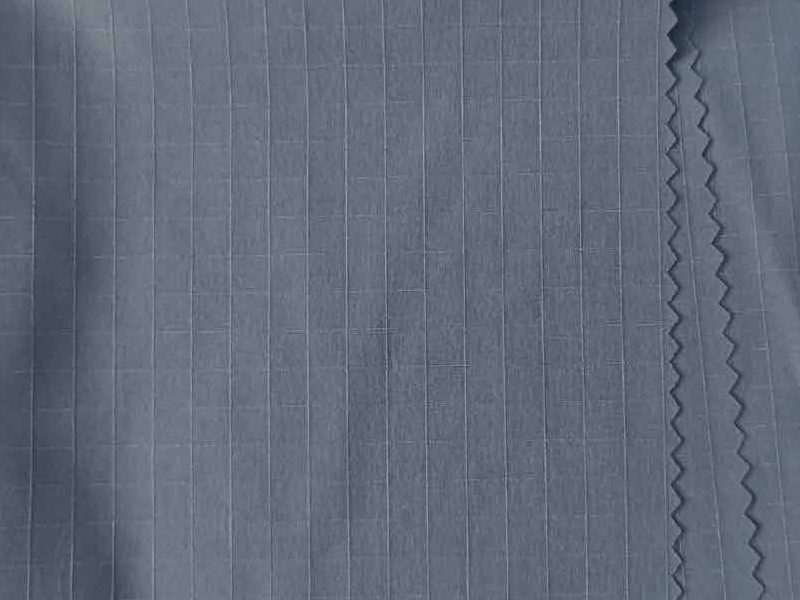 4-Way Stretch Ripstop Polyester Fabric for UV Protection and Cooling in Fishing ShirtsThis 50D cationic two-tone ripstop fabric combines four-way stretch with UV resistance and a cool touch, offering stable color contrast and durability for outdoor shirts.View Product →
Why Outdoor Shirts Benefit from Two-Tone Cationic Fabric
Outdoor shirts need visual depth, UV protection, breathability, and durability at the same time. Cationic two-tone fabric delivers these without adding a print, a coating, or an extra lamination step.
The two-tone effect looks like a heathered or denim-style shade that reads as high-end. Because the color is created by dyeing the yarns themselves, the design does not fade at the edges like a printed pattern. For UV protection, the dye selection plays a role: many cationic dyes absorb UV radiation, which helps protect the wearer during long hours in the sun. The fabric itself can also be woven with high-density structures to add a physical barrier.
In terms of comfort, the two-tone effect does not require a film layer, so the air permeability of the fabric stays close to the construction value. This matters for shirts used in warm weather or high-activity days. The modified polyester also allows a faster dyeing cycle at lower temperature, which reduces the total energy input per meter of fabric.
- Visual depth without printing or extra finishing
- UV protection from engineered dye selection
- Breathability maintained because no coating is added
- Durable color incorporated into the polymer structure
For a fishing or hiking shirt, the two-tone effect solves a design problem without sacrificing the mechanical performance of a plain woven fabric.
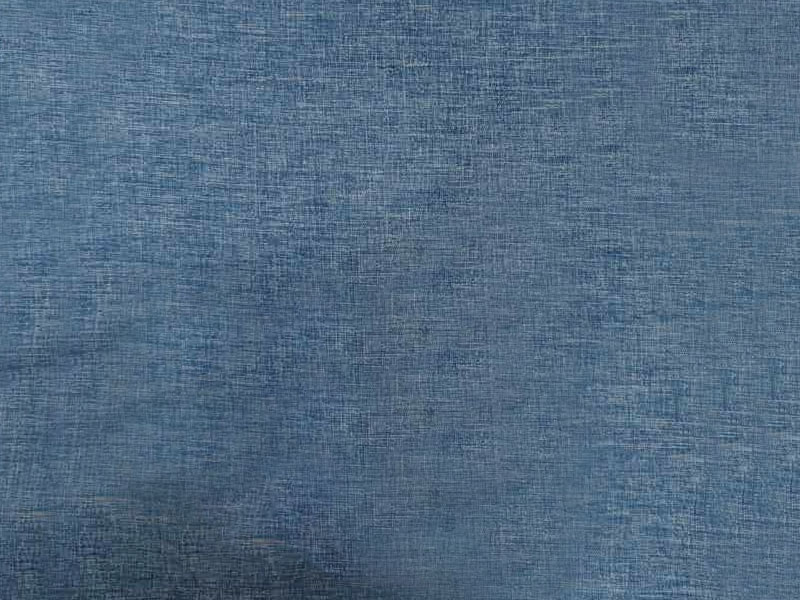
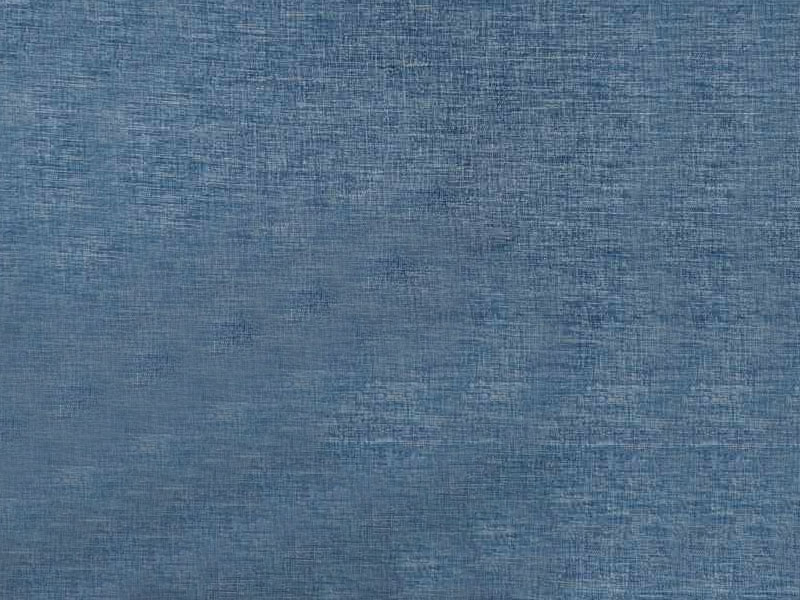
 300T Dull Wave Polyester Fabric with UV Protection and Cooling for Fishing ShirtsThis lightweight 100% polyester fabric features a dull wave texture, providing UV protection and a cooling effect, making it a comfortable choice for fishing shirts.View Product →
Procurement Considerations for Two-Tone Outdoor Shirt Fabric
When you buy cationic two-tone fabric for outdoor shirts, the most important check is not the sample color. It is the consistency of the dyeing route and the yarn mix ratio.
Ask the supplier for the actual yarn composition. A 50/50 blend of standard and cationic polyester gives a stronger contrast; a 70/30 blend gives a subtler heather. The weave structure also matters: a plain weave will show less contrast than a twill or a dobby when the two yarn types alternate in the construction. If your design requires stretch as well, the supplier should be able to combine the cationic yarn with elastane or a stretch intermingled yarn.
For outdoor use, light fastness must be at least 4-5 on the 1-5 scale. Washing fastness should also be checked, especially if the shirt is meant for repeated field use. The cationic dye should be selected to meet the same washing standard as the disperse dye, otherwise you may see one side of the two-tone effect fading faster.
Cost is the final point. Cationic polyester yarn is usually 10-20% more expensive than standard polyester yarn. The fabric price increase depends on the yarn ratio and the finishing route. For a brand developer, that cost is usually worth it because the two-tone effect removes the need for a printed pattern and gives the shirt a distinct look that is hard to copy.
- Confirm the yarn mix ratio with the supplier and write it into the spec sheet.
- Request lab dips on the exact weave construction before approving the bulk order.
- Verify light fastness and washing fastness against your target market requirements.
- Check the cost per meter against the intended retail price and order volume.
Before approving a bulk order, verify the fabric supplier's quality certifications and testing capability. This is especially important for outdoor garments that will be exposed to strong UV light.
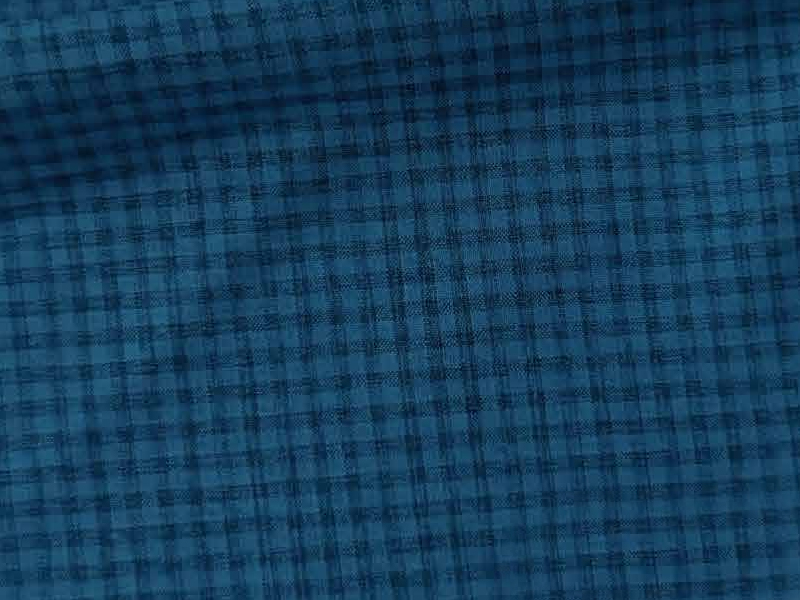 Lightweight UV-Resistant Polyester Fabric for Breathable Beach ShirtsThis 100% polyester fabric at 86 GSM offers UV protection and breathability, making it a practical and cost-effective option for beach and outdoor shirts.View Product →
When Standard Polyester Is Still the Right Choice
For basic solid-color outdoor shirts and programs where cost is the main driver, standard polyester remains a practical option.
If your line does not need a dual-tone look, or if you are working with very small minimum order quantities, standard polyester offers a faster supply chain and lower fabric cost. It is also easier to source in a wide range of ready-dyed colors. However, if the design brief asks for depth, a heather appearance, or a differentiated brand look, the two-tone cationic route is the better technical choice.
When you compare the two options side by side, the decision comes down to the final product positioning: a basic uniform shirt can rely on standard polyester, while a performance outdoor shirt with UV protection and visual interest will justify the added yarn cost of cationic fabric.
If the shirt is meant to sit on a shelf as a basic style, standard polyester wins on cost. If the shirt is meant to sell on a trail, cationic two-tone fabric wins on look and comfort.
Frequently Asked Questions
Is cationic fabric the same as cation-dyeable polyester?
Yes. Cationic fabric in the trade usually refers to a fabric made with cation-dyeable polyester yarns. The polymer is modified to include dye sites that absorb cationic dyes, which gives it the ability to create two-tone effects when combined with standard polyester.
Does the two-tone effect fade after washing?
No, as long as the dyes are selected correctly. The two-tone color is absorbed into the polymer structure of the two yarn types, so it does not sit on the surface like a print. Washing fastness depends on the dye selection and the finishing route, so always request a wash fastness report.
Can you get a two-tone effect on 100% polyester fabric?
Yes. The fabric can be 100% polyester in the conventional sense, but it must contain both standard polyester and cationic-modified polyester yarns. The two-tone effect comes from the yarn combination, not from a separate fiber type.
What is the main advantage of two-tone fabric for outdoor shirts?
It gives the shirt a heathered, denim-like visual depth plus UV protection without adding a print or a coating layer. This keeps the fabric breathable and comfortable while creating a look that is much harder to replicate in a solid color.


.png)


