
 English
 中文简体
中文简体Content
- 1 Understanding the Mechanism: The Science of 4-Way Stretch
- 2 Core Advantages: The Performance Benefits of 4-Way Stretch Climbing Fabric
- 3 Fabric Comparison: 4-Way Stretch vs. 2-Way Stretch and Other Materials
- 4 Performance Metrics: Key Indicators of Quality
- 5 Understanding the Application Process
- 6 Applications and Design Versatility
- 7 Care and Longevity
- 8 Conclusion
- 9 Frequently Asked Questions
- 10 References
In the world of outdoor performance apparel, the selection of fabric is a critical decision that directly influences a climber's mobility, comfort, and overall success. Among the myriad of options available, the 4-Way Stretch Climbing Fabric has emerged as a revolutionary solution for modern mountaineering and climbing apparel. This article provides a detailed technical analysis of this essential material, exploring its composition, performance characteristics, and the advantages it offers over other fabric technologies.
This comprehensive guide is intended for apparel designers, product developers, and procurement specialists who seek to understand the nuances of high-performance climbing textiles. We will delve into the science behind its multi-directional stretch, the engineering of its durability, and its critical role in creating apparel that enhances both freedom of movement and protection. Understanding these elements is essential for making an informed sourcing decision that elevates the quality and performance of outdoor apparel lines.
Understanding the Mechanism: The Science of 4-Way Stretch
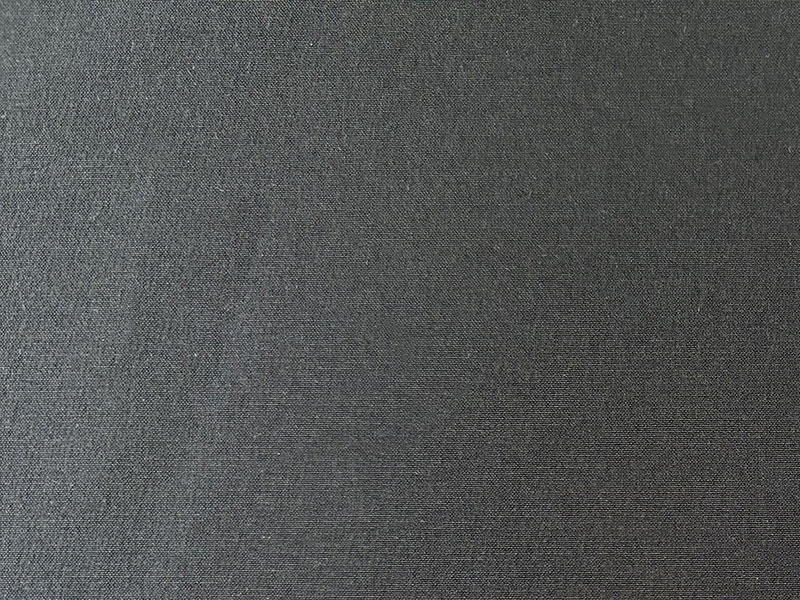
The defining characteristic of 4-way stretch fabric is its ability to extend and recover in both the warp (lengthwise) and weft (crosswise) directions. This is fundamentally different from 2-way stretch fabrics, which only stretch in a single primary direction. The superior elasticity of 4-way stretch is typically achieved through the integration of elastane or spandex fibers into the fabric's construction, either through knitting or weaving processes.
This bi-axial elasticity allows the fabric to move seamlessly with the body's complex motions. When a climber reaches for a distant hold, lunges to a new foothold, or twists their torso to navigate a difficult section, the 4-way stretch fabric conforms to the body's shape without restriction. As discussed in industry literature, this enhanced flexibility is crucial for dynamic movements such as high steps or wide lunges, allowing climbers to perform without feeling constrained by their clothing. This adaptability is a key reason why 4-way stretch is considered a foundational feature for high-mobility sportswear, especially climbing pants and jackets.
The integration of elastane or spandex is crucial, but the fabric's structure also plays a role. Knitted constructions, in particular, are known for their inherent elasticity due to their looped structure, which allows them to stretch and recover more easily than traditional woven fabrics. Furthermore, advanced weaving techniques and fiber blends contribute to the fabric's ability to stretch on the bias, meaning diagonal directions, which further enhances its overall flexibility.
Core Advantages: The Performance Benefits of 4-Way Stretch Climbing Fabric
Modern 4-way stretch climbing fabrics are engineered to provide a combination of mobility, durability, and comfort. Beyond simple elasticity, these materials are designed to offer a range of performance benefits crucial for climbing and other high-intensity outdoor activities. The fabric's ability to maintain its shape and performance over time is a key indicator of its quality.
One of the most critical performance features is the balance between stretch and recovery. High-quality 4-way stretch fabrics not only provide excellent extension but also possess strong recovery properties, meaning they return to their original shape after being stretched. This prevents the fabric from sagging or becoming baggy, which is essential for maintaining a garment's fit and performance over prolonged use. The recovery ensures that the garment remains close to the body, reducing drag and preventing it from interfering with gear.
Another key feature is durability. Climbing fabrics must withstand significant abrasion from rock faces and rough terrain. As noted by industry experts, the durability of stretch fabrics is as important as their flexibility; a garment that tears easily is of little use to a climber. The 4-Way Stretch Climbing Fabric is often engineered with high-tenacity fibers and robust weaves to resist tearing and abrasion, ensuring that it can withstand the rigors of the climbing environment while maintaining its stretch properties.
Fabric Comparison: 4-Way Stretch vs. 2-Way Stretch and Other Materials
To fully appreciate the value of 4-way stretch climbing fabric, it is useful to compare it against other common materials used in outdoor apparel. The choice between a 4-way stretch fabric, a 2-way stretch fabric, or a non-stretch woven fabric can significantly impact a garment's mobility, comfort, and durability.
| Feature | 4-Way Stretch Climbing Fabric | 2-Way Stretch Fabric | Non-Stretch Woven Fabric |
|---|---|---|---|
| Stretch Direction | Warp and weft (bi-axial) | Warp or weft (uni-axial) | None (only bias stretch) |
| Mobility & Flexibility | Excellent; full freedom of movement | Good; limited to one direction | Restrictive; can hinder movement |
| Recovery | Excellent; maintains shape | Good; maintains shape | N/A |
| Durability | High; often engineered with robust fibers | Moderate to High | High; but can be rigid |
| Comfort | Excellent; conforms to body | Good; but can be restrictive in some planes | Moderate; can be stiff |
| Best Application | Climbing pants, jackets, high-mobility sportswear | Pants that require structure, controlled flexibility | Traditional outerwear, structured garments |
As the table illustrates, the 4-way stretch fabric offers a compelling combination of features that make it a superior choice for high-performance climbing apparel. While 2-way stretch fabrics are suitable for garments that require controlled flexibility and shape retention, they cannot match the unrestricted mobility of a 4-way stretch material. Non-stretch woven fabrics, while durable, are rigid and can significantly hinder a climber's movement. The 4-way stretch climbing fabric excels in its niche, delivering full freedom of movement, excellent recovery, and the durability required for the demanding climbing environment.
Performance Metrics: Key Indicators of Quality
The quality of a product like the 4-way stretch climbing fabric is measured by several key performance indicators. These metrics provide a quantifiable assessment of its suitability for various applications. The following data highlights the fabric's core capabilities, underscoring its value in the outdoor apparel industry.
These metrics demonstrate that the fabric is engineered for professional-level performance. The 4-way stretch ensures maximum mobility, the high elastic recovery provides shape retention, and the durable construction guarantees the fabric can withstand the rigors of climbing. This combination of features provides exceptional value for both manufacturers and end-users.
Understanding the Application Process
The journey from raw materials to a finished 4-way stretch climbing garment is a complex process that requires precision at every stage. Understanding this workflow illustrates the quality control and engineering that goes into creating a premium material. This diagram outlines the step-by-step process, from fiber selection to final inspection.
Fiber and Yarn Preparation
High-performance fibers, including nylon for durability and spandex for elasticity, are precisely blended and spun into yarns.
Knitting or Weaving
The yarns are constructed using knitting or weaving techniques engineered to create a structure that provides multi-directional stretch.
Finishing and Quality Control
The fabric undergoes finishing processes, such as heat-setting, to stabilize its shape and stretch properties. Rigorous quality inspections verify stretch, recovery, and durability.
This structured process, when followed by experienced manufacturers, ensures that the final product meets the highest standards for performance and quality.
Applications and Design Versatility
4-way stretch climbing fabric is a versatile material that lends itself to a wide range of outdoor and performance apparel applications. Its combination of mobility, durability, and comfort makes it a preferred choice for many different garment types.
It is ideally suited for climbing pants, where its unrestricted mobility allows for high steps, wide lunges, and dynamic movements without restriction. It is also an excellent choice for softshell jackets, providing the stretch needed for a full range of motion during climbs. For base layers and performance tops, its comfort and moisture-wicking properties make it a favorite. Beyond climbing, the fabric is also used for yoga pants, running tights, and other high-intensity sportswear. The fabric's versatility is a testament to its quality, meeting the demands of diverse activities and environments.
Care and Longevity
Investing in a high-quality 4-way stretch climbing fabric also means investing in the longevity of the garment. To maintain its performance and appearance, proper care is essential. Washing the garment in cold water on a gentle cycle and using a mild detergent will help preserve the elastane fibers. Avoid using fabric softeners, as they can coat the fibers and reduce the fabric's stretch and moisture-wicking properties. Tumble drying on low heat or air drying is recommended to maintain the fabric's shape and recovery.
This straightforward care, combined with the product's robust engineering, ensures that garments made from 4-way stretch fabric will remain a trusted part of a climber's kit for many seasons.
Conclusion
The 4-way stretch climbing fabric is a meticulously engineered material that exemplifies the best of modern performance textile technology. Its blend of unrestricted mobility, durable construction, and excellent recovery offers an exceptional balance of comfort and performance. The fabric's design, defined by its multi-directional elasticity and robust fibers, provides a sophisticated foundation for creating apparel that enhances a climber's ability to perform. Whether for a demanding alpine ascent or a challenging sport climb, this fabric represents a leading choice for brands seeking to deliver quality, performance, and freedom of movement.
Frequently Asked Questions
References
- Montbell Light Cliff Pants, 4-Way Stretch Fabric Specifications.
- UKClimbing Forums, Technical Discussion on 4-Way Stretch.
- HwaFune Textile, Trouser Fabrics: 2-Way vs. 4-Way Stretch.
- Montbell Cliff Easy-Fit Pants, Product Specifications.
- Yishuo Textile, Technical Analysis of Mountain Climbing Fabric Performance.
- 4-Way Stretch Sportswear Material, Technical Overview.





.png)


